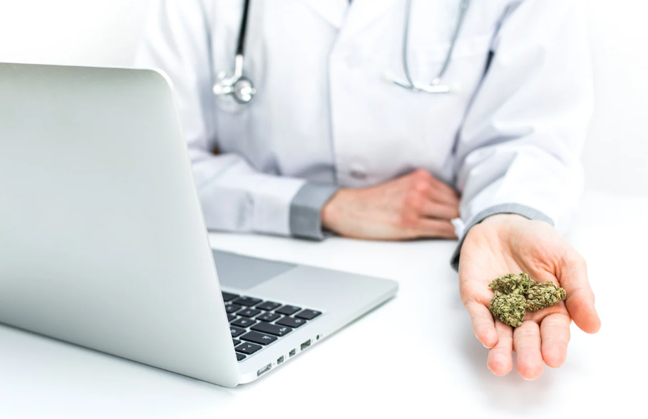

Harm reduction is a pragmatic approach to public health that focuses on minimizing the negative consequences associated with substance use rather than demanding immediate abstinence. As the opioid crisis and other substance use disorders continue to impact communities, researchers and medical professionals are exploring alternative strategies to support recovery. One emerging area of interest is the use of plant-based therapies as a substitution tool. This method aims to replace more harmful substances with safer alternatives, potentially offering a bridge to stability for those struggling with dependency.
For individuals exploring options for cannabis for addiction treatment in Annapolis, consulting with a knowledgeable provider is the first step in understanding how this substitution therapy might fit into a broader recovery plan.
A Safer Alternative for Pain Management
Chronic pain is often the gateway to opioid dependence. Patients prescribed powerful painkillers may find themselves needing higher doses to achieve the same relief, leading to a cycle of misuse. Medical cannabis presents a potential exit ramp from this cycle. Unlike opioids, which depress the respiratory system and carry a high risk of fatal overdose, cannabis has a much safer profile.
By interacting with the body’s endocannabinoid system, cannabinoids can alter pain perception and reduce inflammation. This allows some patients to lower their opioid dosage or transition away from pharmaceutical painkillers entirely.
See also: Understanding Product Descriptions When Shopping for Bongs Online
Reducing Withdrawal Symptoms and Cravings
One of the significant barriers to recovery is the intensity of withdrawal symptoms. When a person attempts to stop using substances like opioids, alcohol, or benzodiazepines, the physical and psychological distress can be overwhelming, often leading to relapse. Preliminary studies and anecdotal evidence suggest that cannabinoids may help alleviate some of these symptoms.
Anxiety, insomnia, and nausea are common during withdrawal. Specific compounds found in the cannabis plant, such as CBD, have shown promise in reducing anxiety and promoting sleep without the addictive potential of traditional sedatives. By managing these distressing symptoms, patients may find it easier to remain committed to their treatment goals. Furthermore, by engaging the brain’s reward pathways differently than hard drugs, cannabis may help reduce the intense cravings that drive the cycle of addiction.
The Importance of Guided Dosing
While the potential for harm reduction is significant, it is not as simple as self-medicating. Successful integration of medical cannabis into a treatment strategy requires professional oversight to ensure safety and efficacy. Patients need to understand that less is often more, particularly when the goal is therapeutic relief rather than intoxication.
New patients often have questions about dosing, such as how much weed someone should try if it is their first time, which underscores the need for education. A “start low and go slow” approach helps individuals gauge their tolerance and avoid overwhelming experiences that could be counterproductive to their recovery. Professional guidance ensures that the therapy remains a controlled, medicinal tool rather than becoming another substance of misuse.
Addressing the Exit Drug Hypothesis
For decades, cannabis was stigmatized as a “gateway drug,” but modern research is increasingly supporting the “exit drug” hypothesis. This theory suggests that rather than leading users to harder substances, cannabis can help them transition away from them. In states where medical programs are robust, there has been a notable decrease in opioid prescriptions and, in some cases, opioid-related overdose deaths. This data reinforces the idea that legal, regulated access to plant-based medicine can play a crucial role in public health strategies aimed at curbing the addiction epidemic.
Conclusion
The shift toward viewing plant-based therapies as tools for harm reduction represents a significant evolution in addiction medicine. By offering a safer alternative for pain management and a means to mitigate withdrawal symptoms, these treatments provide a viable pathway for many individuals seeking to reclaim their lives. However, the success of this approach relies heavily on professional supervision, proper dosing education, and a commitment to treating the underlying causes of dependency. As the medical community continues to embrace more holistic and compassionate strategies, the potential for saving lives and restoring health grows stronger.